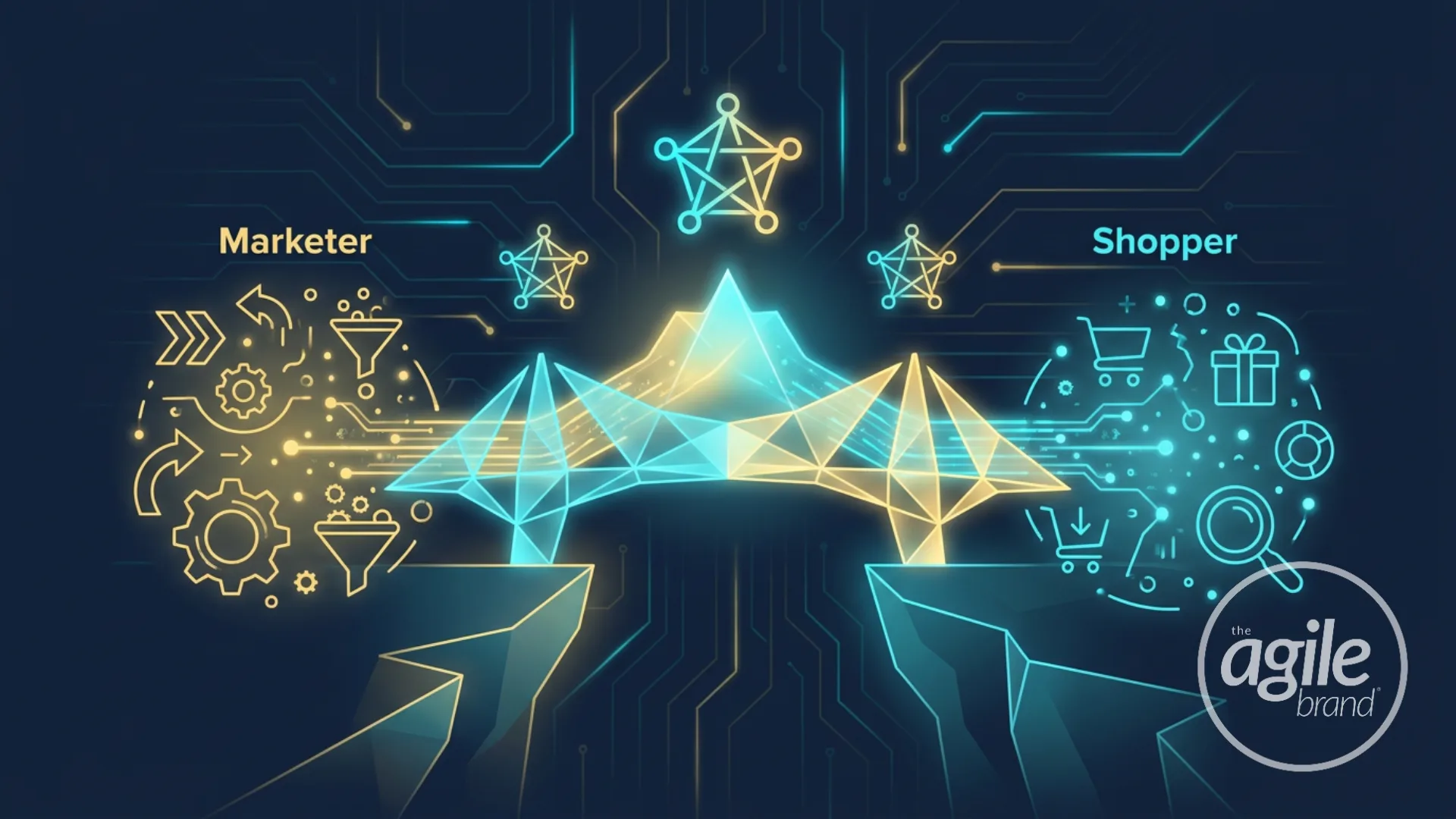
Online shopping, while offering vast choice, has inadvertently created complexity for consumers. In a landscape where shoppers are increasingly overwhelmed by options and economic uncertainties, generic marketing is becoming ineffective. Attentive’s 2026 Personalization Trends report, based on a survey of 1,050 shoppers across the US, UK, and Australia, reveals that personalized experiences are no longer a luxury but a fundamental expectation that drives engagement, loyalty, and sales. For senior marketing and CX leaders, this report underscores the critical need for strategic, data-driven personalization as a core competitive differentiator.
The Clear Mandate for Deeply Personalized Experiences
Shoppers are actively seeking brands that understand their needs and adapt to their preferences, dismissing generic communications as noise. This shift makes intentional personalization a key driver of both short-term conversions and long-term customer loyalty.
A significant majority (70%) of shoppers report feeling overwhelmed or uncertain when shopping online, leading to extended decision cycles, additional browsing (62%), seeking recommendations (61%), or even abandoning purchases entirely (21%). This decision fatigue is exacerbated by economic concerns, with 90% of shoppers worried about the economy and 63% comparing prices more carefully. In this environment, personalization serves to reduce friction and build shopper confidence.
The data unequivocally links personalization to loyalty and purchase intent:
- Loyalty Driver: 93% of shoppers are more likely to continue engaging with brands that provide personalized experiences.
- Purchase Motivation: 73% are more likely to purchase when they receive product recommendations relevant to their explicit needs and preferences.
- Learning and Adapting: A substantial 68% of shoppers expect brands to learn from their shopping habits over time. This sentiment is even stronger among younger demographics: 73% of Gen Z and 81% of Millennials share this expectation.
- Message Frequency: 65% of shoppers are open to receiving more frequent messages if those messages are genuinely relevant.
- Rejection of Generic: 64% of shoppers find brand messages too generic, and 80% are likely to ignore brands that send irrelevant communications. For high-value multi-channel subscribers, irrelevant recommendations make them 2.2 times more likely to discontinue purchasing.
What to do:
- Prioritize Zero- and First-Party Data Capture: Implement mechanisms (e.g., preference centers, two-way text conversations during sign-up) to capture explicit customer preferences (size, style, interests, category interests).
- Enhance Behavioral Segmentation: Leverage engagement data (message type, product category, purchase history, browsing activity) to create precise customer segments.
- Optimize Core Customer Journeys: Integrate preference- and behavior-based recommendations into standard welcome, abandonment, and post-purchase flows. For example, a telecommunications provider could personalize bundle recommendations based on browsing history for internet speed and streaming service preferences.
- Utilize On-Site Personalization: Ensure website experiences dynamically adapt to user behavior, highlighting recently viewed items, saved products, and cart contents to reduce friction.
What to avoid:
- Broad, Untargeted Campaigns: Resist the impulse for batch-and-blast messaging. Attentive data shows over 90% of text messages are still sent this way, representing a significant missed opportunity.
- Ignoring Implicit Signals: Failing to learn from past shopping behaviors and interactions, which consumers expect brands to do.
Summary: Personalization is no longer optional. It is a critical strategic lever for reducing shopper fatigue, increasing purchase confidence, and fostering long-term loyalty in a competitive market.
Operationalizing Advanced Personalization: Data Foundation, Multi-Channel Coordination, and Intelligent Timing
Effective personalization at an enterprise scale relies on a robust data foundation, seamless integration across multiple channels, and intelligent message delivery. CX and marketing leaders must focus on establishing these operational pillars.
Data Foundation: Identity Resolution and Consent Management
Fragmented customer profiles are a major impediment to personalization. Shoppers engage across an average of four different platforms, devices, or in-store channels. While 53% are aware of switching devices or sessions before purchase, disparate identifiers (multiple email addresses, different IP addresses) make it difficult to maintain a unified customer view.
- The Challenge of Fragmentation: 75% of consumers have at least two active personal email addresses, and 32% use separate emails for marketing or proxies. This leads to missed trigger opportunities and sending irrelevant messages post-purchase, which drives opt-outs (67% are more likely to unsubscribe if they receive reminders for purchased products).
- The Stability of Phone Numbers: In contrast, 75% of shoppers have just one active cell phone number, and 68% have kept the same number for over three years. This makes the phone number a highly stable anchor for identity resolution.
- Impact of Strong Identity: Brands investing in robust identity solutions are 34% more likely to report year-over-year growth. Platforms with modern identity solutions see 20% higher conversion rates and 95% more triggered email revenue.
What to do:
- Implement an Identity Graph: Establish a centralized identity resolution system (e.g., a Customer Data Platform) that links all customer identifiers (email, phone, device IDs, CRM records) to a single, persistent profile, using the phone number as a primary anchor where consent allows.
- Leverage Server-Side Tracking: Move beyond browser-based cookies with server-side tracking to extend recognition windows and improve data accuracy across sessions and devices.
- Audit Data Ingestion Points: Ensure all customer interaction points (CRM, marketing automation, e-commerce, customer service platforms) feed into the identity graph in real-time.
Coordinated Cross-Channel Engagement and Triggered Messages
Customers interact with brands across various touchpoints. Effective personalization requires not just presence on multiple channels, but intelligent coordination and impactful triggered messages.
- Triggered Message Impact: Behavioral triggers are highly effective. For example, 85% of shoppers are more likely to purchase after receiving sales/price drop alerts on desired items, and 81% after back-in-stock notifications. Loyalty point reminders (77%) and replenishment flows (64%) also drive significant action.
- Multi-Channel Synergy: 57% of shoppers are more likely to purchase from multi-channel campaigns, and subscribers receiving both SMS and email are twice as likely to buy compared to SMS-only subscribers.
- Additive Value: Shoppers prefer follow-up messages that add new information (73%) rather than simply repeating the same content. Well-coordinated cross-channel marketing is 17 times more likely to be perceived as helpful.
What to do:
- Develop Comprehensive Behavioral Journeys: Expand beyond basic welcome and abandonment flows to include high-intent moments such as price drop alerts, back-in-stock notifications, loyalty point reminders, and replenishment triggers.
- Channel-Specific Content Strategy: Tailor content to the strengths of each channel. For example, use SMS for immediate, concise offers (e.g., “Flash sale on your favorite jeans!”), email for detailed product narratives or policy updates, and push notifications for in-app behavior prompts.
- Integrate Messaging Logics: Ensure campaigns and journeys are designed with additive follow-ups. After an SMS price alert, a follow-up email could include social proof, FAQs, or warranty information about the product.
- Incentivize Multi-Channel Opt-in: Actively encourage subscribers to join multiple channels by highlighting the enhanced benefits; 85% of email and SMS subscribers are open to joining both.
Intelligent Message Timing
The “when” of message delivery is becoming as crucial as the “what.” Tailoring send times to individual customer engagement patterns can significantly boost conversions.
- Dynamic Engagement Windows: 32% of shoppers cite message timing as a top-three reason to continue shopping with a brand. Ideal engagement times vary widely, with 50% preferring evenings, 30% during work/school breaks, and 28% during waiting periods.
- Seasonal and Event-Based Timing: Shopping activity peaks during big sale periods (47%), holidays (42%), and even specific moments like receiving a paycheck (28%, especially for Gen Z at 44%).
What to do:
- Leverage AI for Send-Time Optimization: Utilize AI-powered tools to dynamically optimize message send times for each individual based on their historical engagement patterns.
- Align with Customer Context: Program campaigns to align with known customer patterns, such as payday promotions for targeted segments or seasonal messaging for specific holidays. For a B2B SaaS company, this could mean sending renewal reminders at quarter-end for enterprises with fiscal year-end budgets.
Summary: A robust data foundation built on unified identity, strategic cross-channel coordination, and AI-driven timing are essential for delivering the personalized experiences shoppers expect in 2026.
Building Trust, Embracing AI, and Leveraging Emerging Channels (RCS)
As personalization becomes more sophisticated, CX leaders must balance advanced capabilities with privacy expectations and explore new interactive communication channels. Responsible AI implementation and the adoption of Rich Communication Services (RCS) are key components of this strategy.
The Privacy Paradox: Personalization with Transparency and Control
Shoppers want personalized experiences but are increasingly protective of their privacy. This “privacy paradox” requires brands to be transparent and empower customers with control.
- Rising Privacy Concerns: 71% of shoppers actively take steps to protect their privacy (e.g., opting out of cookies, limiting app permissions, using email proxies). Concerns center around data security (46%), being tracked (46%), and uncertainty about data usage (33%).
- Desire for Learning (with caveats): Despite privacy concerns, 69% of privacy-conscious consumers still want brands to learn from their shopping habits over time.
- Acceptable Personalization: Shoppers are comfortable with personalization based on first-party data and direct interactions: back-in-stock alerts for viewed items (94%), product recommendations from past purchases (94%), and tailoring messages based on explicitly shared preferences (92%).
- “Creepy” Personalization: Personalization feels invasive when it implies knowledge of unshared sensitive topics (42%), uses personal information from third parties (34%), or when the source of information is unclear (61%).
What to do:
- Transparency and Opt-in: Clearly communicate what data is collected, how it is used, and the benefits to the customer, including whether data is shared or sold. Only engage opted-in subscribers.
- Empower Data Control: Provide easily accessible mechanisms for customers to manage their data preferences, communication settings, and to request data deletion (e.g., through a self-service portal).
- Prioritize First-Party Data: Focus personalization efforts on data generated from direct customer interactions and explicit preferences. Avoid inferences about sensitive topics (e.g., health status) and limit reliance on unexpected third-party data.
AI-Powered Personalization: Value with Responsibility
AI is a powerful enabler for scaling personalization, but its deployment must align with customer trust and provide clear value.
- Perceived Value: 87% of shoppers who are aware of interacting with AI-powered brand experiences find them valuable. They cite benefits such as time savings, faster issue resolution (e.g., returns via an AI chatbot), relevant product recommendations, and increased purchase confidence.
- Generational Acceptance: Younger generations are more comfortable with AI for personalization, with 71% of Gen Z and Millennials expressing comfort.
- Trust Requirements: Shoppers expect strong security and privacy policies (51%), clarity on data usage (45%), commitment not to sell/share data (45%), and the ability to request data deletion (42%) to feel comfortable with AI personalization. Concerns exist about AI pushing unneeded purchases (47%) or data being used in unclear ways (64%).
What to do:
- Establish AI Governance: Develop clear internal policies and guardrails for AI usage in customer-facing interactions, ensuring compliance with privacy regulations (e.g., GDPR, CCPA).
- Focus on CX Improvement: Prioritize AI applications that genuinely enhance the customer experience, such as intelligent product discovery, real-time support, or dynamic content adaptation, rather than solely sales-driven tactics.
- Explainable AI: Where possible, provide context or rationale for AI-driven recommendations to build trust (e.g., “Based on your recent browsing of [product category], we thought you’d like…”).
- Red-Teaming and Bias Checks: Conduct regular audits and red-teaming exercises on AI models to identify and mitigate biases, ensuring equitable and fair customer experiences.
The Rise of Rich Communication Services (RCS)
RCS Business Messaging represents the next generation of interactive mobile messaging, and shoppers are ready for it.
- High Adoption Intent: 92% of shoppers believe at least one RCS feature would improve their shopping experience.
- Key Features Desired: Top features include carrier-verified messages (72%) for scam prevention, visual order tracking (70%), proximity-based promotions (65%), saving items to cart directly from text (61%), and quick-reply buttons for preferences (57%).
- Early Success: Early adopters of RCS are seeing significant returns, with examples like FragranceNet.com reporting a 50% increase in Conversion Rate and Spanx achieving a 201% increase in revenue per send from unengaged subscribers.
What to do:
- Strategic RCS Integration: Map out how RCS capabilities can enhance existing customer journeys and messaging strategies. For instance, a financial services company could use verified RCS messages for secure account updates or appointment scheduling.
- Pilot Programs: Explore pilot programs for RCS, focusing on high-impact use cases like order status updates, personalized offers based on in-store proximity, or interactive customer service.
- Governance and SLAs: Define clear policies, service level agreements (SLAs), and escalation paths for RCS-based interactions, similar to other customer service channels.
Summary: Building a personalized experience that earns trust requires transparency, customer control over data, responsible AI deployment focused on value, and a readiness to adopt advanced interactive channels like RCS.
Conclusion: Relevance as the Ultimate Competitive Advantage
The “2026 Personalization Trends” report clearly establishes that in an environment of increasing choice and economic prudence, generic marketing yields diminishing returns. Shoppers are demanding and rewarding brands that deliver relevant, personalized experiences. For senior marketing and CX leaders, this is not merely a trend to monitor but a strategic imperative that dictates competitive advantage and sustained customer loyalty.
Success in this landscape hinges on a commitment to a robust, privacy-centric data foundation, intelligent cross-channel coordination, and the responsible adoption of AI and emerging communication technologies like RCS. Brands that prioritize learning from customer interactions, respecting privacy, and delivering tangible value through personalization will not only meet but exceed shopper expectations, driving higher conversion rates and stronger long-term relationships. The future of customer engagement is personalized, transparent, and seamlessly integrated.
Source: Attentive. (2026, June 12). 2026 Personalization Trends: What 1,000+ Shoppers Expect From Brands. Attentive Blog. Retrieved from https://www.attentive.com/blog/2026-personalization-trends