We’re told AI will revolutionize marketing, but many leaders are finding it just creates more content chaos and operational risk. Is the answer more AI, or a fundamentally different approach to how AI is managed?
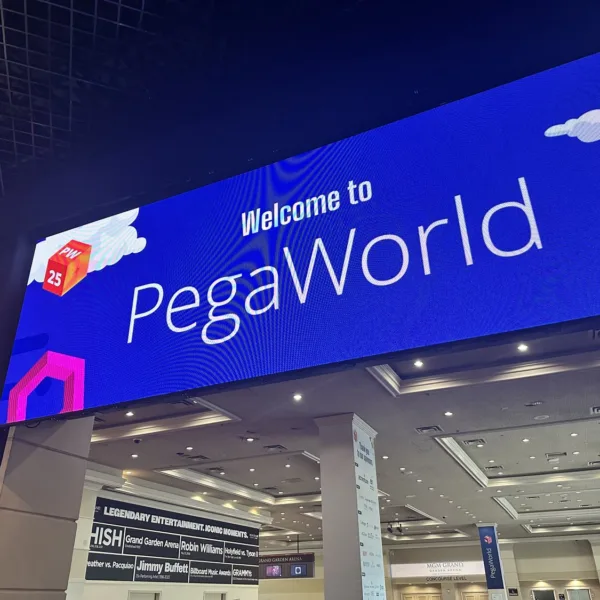
Today we are at PegaWorld 2026 at the MGM Grand in Las Vegas, and, we’re going to talk about:
- The shift from generative AI for content creation to agentic AI for end-to-end campaign execution.
How to orchestrate multiple AI agents to move from a marketing brief to a live, personalized campaign in minutes, not weeks.
Implementing the governance and human oversight necessary to scale AI-driven marketing responsibly and avoid the risks of uncontrolled automation.
To help me discuss this topic, I’d like to welcome Tara DeZao, Director of Product Marketing, AdTech and MarTech at Pega.
About Tara DeZao
Tara DeZao, Director of Product Marketing, AdTech and MarTech at Pega, is passionate about helping clients deliver better, more empathetic customer experiences backed by artificial intelligence. Over the last decade, she has cultivated a successful career in the marketing departments of both startups and Fortune 500 enterprise technology companies. She is a subject matter expert on all things marketing and has authored articles that have appeared in AdExchanger, VentureBeat, MarTech Series and more. Tara received her bachelor’s degree from the University of California, Berkeley and an MBA from the University of Massachusetts, Amherst.
Tara DeZao on LinkedIn: https://www.linkedin.com/in/taradezao/
Resources
Pega Website: https://www.pega.com
Pega provides the leading AI-powered platform for enterprise transformation. The world’s most influential organizations trust Pega’s technology to reimagine how work gets done by automating workflows, personalizing customer experiences, and modernizing legacy systems. Since 1983, Pega’s scalable, flexible architecture has fueled continuous innovation, helping clients accelerate their path to the autonomous enterprise. Learn more at Pega.com
We’re proud to be a media partner for #MAICON26 – Oct. 13-15! Learn how AI can power your marketing and business and help you grow smarter. Use code AGILE150 to save! https://aglbrnd.co/r/7fe458ced0f04658
Reach your customers with Reddit. Spend $500 in ad spend, get $500 back in ad credit! Learn more: https://advertalize.com/r/491818c79fb1873f
Don’t miss We Make Future – the International Festival of Innovation in AI, Tech, and Digital Marketing, June 24-26 in Bologna. Learn more: https://aglbrnd.co/r/c80991afff416bb2
The most influential minds in software, AI, and engineering leadership will be at WeAreDevelopers World Congress North America, September 23-25 in San Jose. Learn more: https://aglbrnd.co/r/60a7299222a7bcf1
Enjoyed the show? Tell us more at and give us a rating so others can find the show at: https://aglbrnd.co/r/faaed112fc9887f3
Connect with Greg on LinkedIn: https://www.linkedin.com/in/gregkihlstrom
Don’t miss a thing: get the latest episodes, sign up for our newsletter and more: https://aglbrnd.co/r/35ded3ccfb6716ba
Check out The Agile Brand Guide website with articles, insights, and Martechipedia, the wiki for marketing technology: https://www.agilebrandguide.com
The Agile Brand is produced by Missing Link—a Latina-owned strategy-driven, creatively fueled production co-op. From ideation to creation, they craft human connections through intelligent, engaging and informative content. https://www.missinglink.company
Transcript
Here is the cleaned-up transcript:
From PegaWorld: Pega’s Tara DeZao on marketing ROI with agentic AI
==================================================================
[00:00:59] Greg Kihlström: (instrumental music) Hi, I’m Greg Kihlström, host of The Agile Brand, and here’s a question for you. We’re told AI will revolutionize marketing, but many leaders are finding it just creates more content chaos and operational risk. Is the answer more AI or a fundamentally different approach to how AI is managed? Today, we’re at PegaWorld 2026 at the MGM Grand in Las Vegas, and we’re gonna talk about the shift from generative AI for content creation to agentic AI for end-to-end campaign execution, how to orchestrate multiple AI agents to move from a marketing brief to a live personalized campaign in minutes, not weeks, and implementing the governance and human oversight necessary to scale AI-driven marketing responsibly and avoid the risks of uncontrolled automation. To help me discuss this topic, I’d like to welcome Tara DeZao, Director of Product Marketing, Ad Tech, and Martech at Pega. Tara, welcome back to the show.
[00:02:55] Tara DeZao: Thank you for having me, Greg. I love coming to your show. It’s always so awesome.
[00:02:59] Greg Kihlström: Yeah, I have to say welcome back, right?
[00:03:00] Tara DeZao: Yeah, yeah.
[00:03:01] Greg Kihlström: It’s, yeah, I think it’s episode three that you’ve been on The Agile Brand.
[00:03:04] Tara DeZao: Yes.
[00:03:04] Greg Kihlström: You’ve been on One Amazing Thing. So yeah, always, always great talking with you.
[00:03:07] Tara DeZao: Really good.
[00:03:09] Greg Kihlström: (laughs) So, um, let’s, let’s start, for those that didn’t catch one of those episodes, um, maybe give a little background on yourself and your role at Pega.
[00:03:15] Tara DeZao: Sure, yeah. So I lead, uh, product marketing for Pega’s Customer Decision Hub. It’s an end-to-end marketing solution. We do real-time decisioning, which is, um, basically a fancy way of saying that you can interact with your customers in real time across all of your channels that are connected to the product.
[00:03:35] Greg Kihlström: Yeah, yeah, love it, yeah, and definitely some, uh, we’ll get to some of that, too, some, some big announcements around, around that this, uh, at PegaWorld here. So, um, yeah, let’s, uh, let’s dive in here and we’re gonna talk about a few things here, but wanna start with really looking at things from the strategic lens first. And certainly nobody listening to this podcast is going to be new to the term agentic AI.
[00:03:59] Greg Kihlström: But, you know, lots of people talking about it, but I always feel like it’s help- it’s helpful to define it and ’cause there’s, I think there’s also a lot of terminology or definitions floating around. How do you define agentic AI, and how does this represent that, like I teed up in the intro, you know, a fundamental shift from the, the gen AI tools that we’ve been now using for a couple years, there’s kind of a shift towards, towards agentic to do more, to, you know can you talk a little bit about that?
[00:04:30] Tara DeZao: Yeah, so I, I consider agentic AI a layer, or, and some people are even calling it, like, another layer of channels, right? But it’s the connective tissue between being able to create something with generative AI, let’s say, and then actually put it into production. So the agent acts autonomously on your behalf regardless of what it’s doing, whether it’s a marketing agent or a shopping agent or, you know, some of the other ways that other industries are using it, uh, just to speed operations, uh, make things faster and easier.
[00:05:09] Greg Kihlström: Yeah, yeah. Yeah, definitely, um, it’s kind of like, uh, and it can be a, uh, you know, a s- a step change to some of those things that, I mean, a lot of what we were, what was talked about here over the last couple of days is, um, just how, you know, AI has enabled so many things to be done, but there’s a lot, there’s some bottlenecks, right?
[00:05:31] Tara DeZao: Yes.
[00:05:31] Greg Kihlström: There’s some, like, content bottlenecks and some other things like that. So how does agentic kinda help with, with some of those things?
[00:05:39] Tara DeZao: Yeah, so I mean, if you think about marketing operations, I’ll just put it into that context, you know, you, you may create a campaign brief, and then you brief the creative team, and you figure out which creatives you’re gonna put in your campaign, what the messaging is gonna be, and then you launch it. And so AI has… … in the past, giving us a way to make it more personalized and accurate because able to sense different data signals and act on them, right? And then if you think about those processes of digesting the brief, creating … Let’s say, you know, you wouldn’t maybe have your trunk asset created by gen AI, but you might want to create some variations of different things.
[00:06:25] Tara DeZao: That’s a great use case for it. So speeding up the process of actually creating those elements of the campaign, and then actually it being more accurate in the sense of validating that you’re compliant with your re- rules and regulations, validating that it’s a choice that you actually want to make, right? So, uh, using the example of if I am a marketer and I have uploaded a campaign brief to my agent, and I say, uh, “I want to launch this over these channels,” and then my agent might come back to me and say, “Okay, well, the last three briefs, you said to launch them over five channels, and now you’re telling me to launch them over four channels. Is that a mistake,
[00:07:10] Tara DeZao: or are you trying to do that,” right?
[00:07:12] Greg Kihlström: Right. Right, yeah.
[00:07:13] Tara DeZao: Also thinking about things like optimizing performance, so agent may be saying, “You have a gap in your program. There’s this whole other audience that’s underserved that this could be relevant for.” Um, or, “This isn’t working so well. Let’s pivot.” Right?
[00:07:32] Greg Kihlström: Yeah. Yeah.
[00:07:32] Tara DeZao: So in the past, that’s, like, the most manual process of marketing, is, like, getting the results and turning around and making a change or a pivot. That takes the most time and is the most arduous thing, so that’s gonna be probably the biggest benefit to me, is being able to get your results, like, in the moment.
[00:07:49] Greg Kihlström: Yeah, yeah, love that. So you bring up a great point where, uh, again, gen AI lets us do all kinds of things, and, uh, some of those things may not always be the right thing.
[00:08:00] Tara DeZao: Yes.
[00:08:00] Greg Kihlström: So, you know, I think that… Uh, I think that’s been, at least from what I’ve seen wi- in other conversations, that’s been a thing that’s been missing, is that, um, you know, Don mentioned, you know, the, the pragmatic approach to some of this stuff, which is, you know, it’s very cool to do all of these things, and yet something needs to rein some of our ideas back in to make sure-
[00:08:21] Tara DeZao: 100%.
[00:08:21] Greg Kihlström: … that they fit the requirements, or, to your point about is it three channels or not five, right?
[00:08:26] Tara DeZao: Yes.
[00:08:27] Greg Kihlström: So, yeah.
[00:08:27] Tara DeZao: Yes. And, you know, um, the s- kind of the downside of agentic is that it creates a brand drift of sorts, where if you let things go on autonomously for too long, there’s a danger of, like, drifting away from the tone of your brand. So that’s, like, an area where you still want human oversight in the process. You don’t want agents just acting on your behalf without a human in the loop. You, you need to have a human there, for sure.
[00:08:57] Greg Kihlström: Yeah, yeah. So let’s talk a little bit about some of the, the announcements here. So Pega’s new Customer Engagement Studio, uh, is described as an agent-powered workspace. Uh, maybe walk us through a practical example. You know, if a, if a marketing leader hands their team a brief-
[00:09:14] Tara DeZao: Yes.
[00:09:15] Greg Kihlström: … w- what happens?
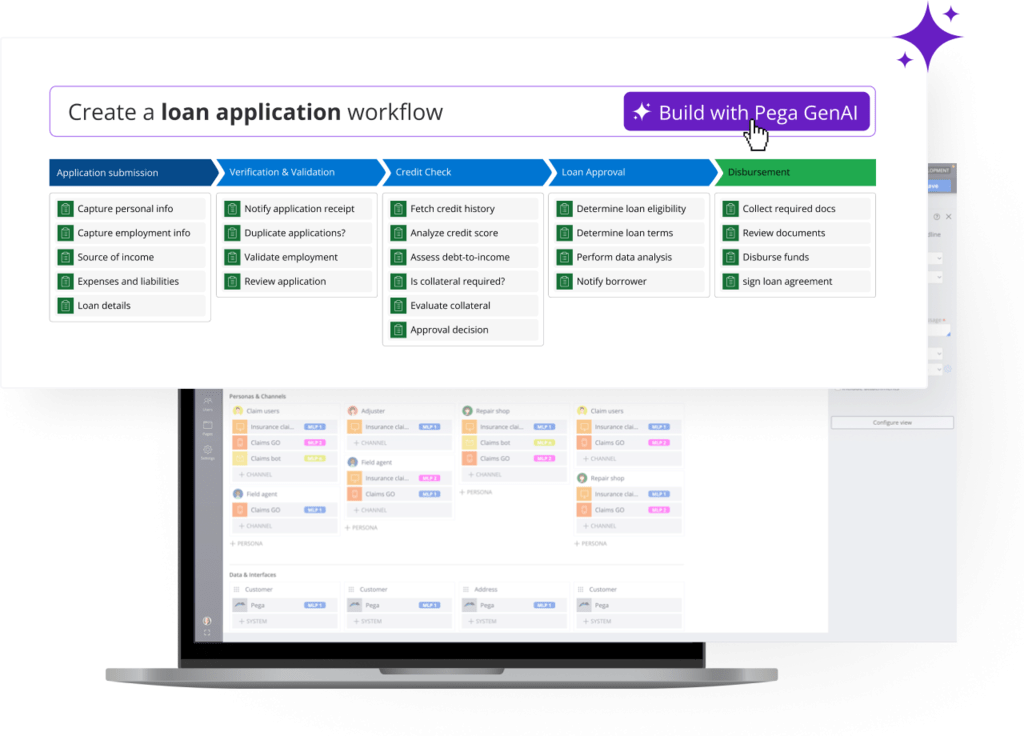
[00:09:16] Tara DeZao: Yes, so Customer Engagement Studio sits on top of Customer Decision Hub, and it’s basically your portal into interacting with a slate of agents that you may have. Let’s say you have a creative agent, a strategy agent, a compliance agent, maybe, and essentially, you can upload your brief and then answer a series of questions through the chat that your agent will answer around the campaign. So, “What are your goals?” You know, “When, when do you want this to go live?” Asking questions about the brief that, like, maybe a creative director when you were briefing them would ask.
[00:09:56] Greg Kihlström: Yeah, yeah.
[00:09:57] Tara DeZao: Um, and then you can do anything from creating treatments, like content pieces, to asking the agent to launch it within Customer Decision Hub for you, asking the agent to then say, “Hey, can you deliver the results back to me? Um, I want to see how it’s performing. Can we test this before it goes live?” At least, we see a lot of high level testing and simulation that brands are doing. That’s a really big, helpful, uh, responsible AI feature, right, which is you can test and simulate and make sure it’s working properly, that it’s going to the right, uh, receiver, and, and just really understanding
[00:10:42] Tara DeZao: how the AI is performing.
[00:10:44] Greg Kihlström: Yeah. So another thing, and sometimes a challenge with… You know, ’cause Customer Engagement Studio, Customer Decision Hub, the, the amazing part is it’s end-to-end. You know, you put in the brief, and you can essentially get a marketing campaign coming out of it, right? But, you know, for those teams that are… You know, let’s say, uh, y- “All my assets are on Adobe’s DAM, or Acquia, or, you know, or something like that,” what’s the… You know, there, there’s definitely some promising things with MCP as well, so maybe-
[00:11:15] Tara DeZao: Yeah.
[00:11:16] Greg Kihlström: … talk a little bit about that, that interoperability.
[00:11:19] Tara DeZao: Yeah, so the goal, right, is kind of you can bring your own agents to the party too, so, you know, we have various integrations and various partners. And we want to be able to offer an agent-to-agent experience, right? So basically, uh, being able to understand, like, what’s going on under the hood and talking to other applications in a way that, in the past, has been difficult.
[00:11:48] Greg Kihlström: Yeah.
[00:11:48] Tara DeZao: Right?
[00:11:48] Greg Kihlström: Yeah.
[00:11:49] Tara DeZao: That connectivity is not always there, but if y- if you have an agent that is running your DAM, for example-
[00:11:58] Greg Kihlström: Yeah.
[00:11:58] Tara DeZao: … having that agent talk to your creative agent and autonomously being able to pull something out of that DAM-
[00:12:06] Greg Kihlström: Yeah.
[00:12:06] Tara DeZao: … uh…
[00:12:07] Tara DeZao: So that’s, that’s a big, uh, that’s a big leap forward in what AI can do and that’s also another reason why you want a human in the loop because that’s a lot of kind of power and autonomy, right?
[00:12:21] Greg Kihlström: Yeah, yeah. But I, uh, I think the one, one promising part of that is as opposed to all of these agents doing things separately, you know, it is … I mean, you had like Wells Fargo on the stage this morning.
[00:12:33] Tara DeZao: Oh, yeah.
[00:12:33] Greg Kihlström: So highly regulated industries.
[00:12:35] Tara DeZao: Highly regulated.
[00:12:35] Greg Kihlström: I know Pega works with a lot of those.
[00:12:37] Tara DeZao: Yeah.
[00:12:38] Greg Kihlström: There’s that governance where instead of having 10 different agents kind of running amok-
[00:12:43] Tara DeZao: Right.
[00:12:44] Greg Kihlström: … let’s say.
[00:12:44] Tara DeZao: Yeah.
[00:12:44] Greg Kihlström: They’re kind of, they’re relegated, they’re, they’re guided by Pega in this case, right?
[00:12:49] Tara DeZao: For sure. And I mean, if you think about a MarTech stack, there’s a lot of apps in there. So like I’m just gonna conservatively say 55, let’s say.
[00:12:57] Greg Kihlström: Yeah, yeah.
[00:12:57] Tara DeZao: That’s like probably a conservative-
[00:12:58] Greg Kihlström: I think that’s about average. Yeah, yeah.
[00:12:59] Tara DeZao: … eh, eh, estimate. Then think about adding 1,000 agents on top of that.
[00:13:03] Greg Kihlström: Yeah. Right.
[00:13:04] Tara DeZao: How complex and just ripe for something to go wrong, right?
[00:13:09] Greg Kihlström: Yeah.
[00:13:09] Tara DeZao: So this is a way to orchestrate your marketing, orchestrate your marketing operations and it’s gonna, I think and hope, make customer experiences better because we’re gonna be freeing up even more human time and strategy and creativity to do better marketing.
[00:13:29] Greg Kihlström: (music) You know that moment when marketing wants a landing page, design mocks it up and engineering says, “Yeah, we’ll get to it.” Thousands of businesses from early stage startups to Fortune 500s are choosing to build their websites in Framer where changes take minutes instead of days. Framer’s a website builder that works like your team’s favorite design tool with real-time collaboration, a robust CMS with everything you need for great SEO, and advanced analytics that include integrated A/B testing, your designers and marketers are empowered to build and maximize your dot-com from day one. Changes to your Framer site go live to the web in seconds with one click without help from engineering. Framer is also an enterprise solution giving brands like Perplexity, Miro, and Mixpanel the confidence they need to build their websites
[00:14:14] Greg Kihlström: in Framer. Learn how you can get more out of your dot-com from a Framer specialist or get started building for free today at framer.com/agile for 30% off a Framer Pro annual plan. That’s framer.com/agile for 30% off. Framer.com/agile. Rules and restrictions may apply.
[00:14:33] Tara DeZao: You’re listening to this podcast, so I know you’ve got a curious mind. Here’s a helpful fact you might not know yet. Drivers who switch and save with Progressive save over $900 on average. Pop over to progressive.com, answer some questions and you’ll get a quick quote with discounts that are easy to come by. In fact, 99% of their auto customers earn at least one discount. Visit progressive.com and see if you can enjoy a little cash back. Progressive Casualty Insurance Company and affiliates. National average 12-month savings by $946 by new customers surveyed who saved with Progressive between June 2024 and May 2025. Potential savings will vary.
[00:15:11] Greg Kihlström: (music)
[00:15:13] Greg Kihlström: So let’s talk a little bit about the measurement part of this, too and I, uh, you touched a little bit on kind of the feedback loop and I think that’s, eh, from my experience, that’s the biggest missing aspect in so many programs.
[00:15:25] Tara DeZao: Yes.
[00:15:26] Greg Kihlström: Is just, okay, even if we got amazing results, let’s do it again, (laughs) right?
[00:15:31] Tara DeZao: Yeah.
[00:15:31] Greg Kihlström: And let’s do it better even if it’s good-
[00:15:33] Tara DeZao: Yes.
[00:15:33] Greg Kihlström: … you know, and stuff like that. So can you talk a little bit about that, that continuous improvement part and maybe give an example of how does the system kinda learn?
[00:15:43] Tara DeZao: Yeah, for sure. So we have both predictive and adaptive AI working together and every interaction that you have with your customer builds, uh, a beh- basically a, a behavioral profile and then the, the tool acts in a way that your behavior, you know, tells it to act. So if you don’t take an action, that’s actually an action.
[00:16:09] Greg Kihlström: Yeah.
[00:16:09] Tara DeZao: Right? So if you don’t interact with whatever shows up in your world, that’s telling the system something. That’s saying, “Hey, this is the wrong piece of creative,” or, “This is the wrong channel.” And that feeds back into the AI instantly, right? And so you can make decisions with Customer Decision Hub in less than 200 milliseconds, which I think is the critical piece to understanding how your campaigns and your programs are operating and performing because the custom- the window of opportunity to talk with your customer is so small that you really need, you know, that set to be really fresh.
[00:16:52] Greg Kihlström: Yeah.
[00:16:53] Tara DeZao: And you need to be able to pivot quickly in the moment and so that’s why, um, having that adaptive AI in there is critical. I think a lot of tools only have the predictive and so it’s really important to look under the hood and make sure that adaptive is, is in your stack in, in many ways, but that’s gonna be the biggest predictor of, of your performance is how quickly can you intake data and then act on that?
[00:17:21] Greg Kihlström: Yeah. And then measuring ROI, which I know, you know, everybody’s under pressure to do that.
[00:17:27] Tara DeZao: Yes.
[00:17:27] Greg Kihlström: You know, how do you recommend … I mean, obviously there’s gonna be the marketing campaign metrics and, and stuff like that.
[00:17:32] Tara DeZao: Yeah.
[00:17:32] Greg Kihlström: But how do you measure ROI on something that’s adaptive and, and learning and stuff like that?
[00:17:37] Tara DeZao: Yeah, absolutely. So I mean, I’m a huge fan and it’s a, it’s a Pega, you know, concept that we really stand by of using customer lifetime value as a measurement. So, you know, if you’re measuring on things like clicks, I mean, that’s only directionally helpful. Y- you can’t understand what happened after that click or if somebody bought something as a result of that. But with Customer Decision Hub and, and our AI, uh, we-
[00:18:07] Tara DeZao: … are able to help you understand that very quickly.
[00:18:12] Greg Kihlström: Yeah.
[00:18:12] Tara DeZao: Yeah.
[00:18:12] Greg Kihlström: Yeah. Well, and to your point about sometimes no action is an action, you know, tracking clicks, it’s gonna l- if there’s no click, then there’s no success in that scenario, but if overall, you know, lifetime value is success, then, yeah, if someone doesn’t do something, but, you know, they buy-
[00:18:32] Tara DeZao: Yeah.
[00:18:33] Greg Kihlström: … two weeks later, you know-
[00:18:34] Tara DeZao: For sure.
[00:18:34] Greg Kihlström: … it’s, it’s, it’s the long view, right?
[00:18:36] Tara DeZao: Well, and I think too it’s the benefit of the new orientation to first party data. Like we’ve all-
[00:18:44] Tara DeZao: … known that first party data is like gold, right? But now, it’s, okay, we can actually understand the right things that you need in the moment.
[00:18:56] Tara DeZao: What’s gonna add value to your customer journey? Versus, okay, like, you know, maybe he didn’t buy something right now, but we know that we served him, we preemptively stopped a problem, and we know, you know, what products you have and that makes us able to serve you better.
[00:19:17] Tara DeZao: And I think that’s the goal of brands, is to serve their customers and create loyalty. And that’s what customer lifetime value measures. It’s the, the value of that customer over their lifetime with you, and that’s actually also a better predictor of sustainable growth.
[00:19:37] Tara DeZao: Because marketers are often pinned down by the pressure of short term results and short term metrics. Those are important for sure, but really those short term metrics like click through rate, engagement rate, uh, return on ad spend, those are not going to tell you how you’re gonna do in five years.
[00:19:59] Greg Kihlström: Yeah.
[00:20:00] Tara DeZao: Those are gonna tell you-
[00:20:00] Greg Kihlström: Right.
[00:20:00] Tara DeZao: … how you’re gonna do this quarter.
[00:20:01] Greg Kihlström: It’s vanity.
[00:20:02] Tara DeZao: Yeah.
[00:20:02] Greg Kihlström: You know? Yeah, uh, to, I mean, again, there are short term sales. There’s lots of people held to that, but to your point, it’s, you know, you can burn, you can churn through customers very quickly.
[00:20:14] Tara DeZao: Oh, yeah.
[00:20:14] Greg Kihlström: And actually make it look like you’re hitting your numbers. (laughs)
[00:20:18] Tara DeZao: Like look how popular this is.
[00:20:21] Greg Kihlström: Right.
[00:20:21] Tara DeZao: People clicked on it. Well, look how many people bought this thing that we, you know, spent all of our marketing budget promoting.
[00:20:27] Greg Kihlström: Right. Exactly. Exactly. So let’s talk a little bit about, you know, with, with Agentic AI certainly doing a lot of, of tasks, and, um, you know, AI in general taking over some of the, let’s call it repetitive or, or some of the, the other work that marketers have been doing, what is the, what is the structure of a marketing team look like in a few years? You know, how is it, how’s it-
[00:20:50] Tara DeZao: Yeah.
[00:20:50] Greg Kihlström: … maybe already evolving, but, you know, where, where do you see it going?
[00:20:53] Tara DeZao: Yeah, that’s a great point. So I think, you know, uh, we always talk about AI as being a partner to humans and not replacing them.
[00:21:05] Tara DeZao: And so, you know, and we’re seeing the market dictate, you know, some of these organizations cut a lot of labor in anticipation of AI being able to fill their shoes.
[00:21:15] Greg Kihlström: Right.
[00:21:15] Tara DeZao: And the reality is not that, right? The reality is a lot of these organizations are bringing people back.
[00:21:21] Tara DeZao: But that doesn’t mean that the roles aren’t gonna change. They absolutely are gonna change, so I think i- it’s gonna be a l- a lot less configuring, you know-
[00:21:30] Greg Kihlström: Yeah.
[00:21:30] Tara DeZao: … config- manual configurations of things. You might do more vendor consolidation, which is m- has, you know, positives and negatives.
[00:21:40] Greg Kihlström: Sure. Mm-hmm.
[00:21:41] Tara DeZao: Um, so I think, you know, the strategic tasks are gonna still require humans and some of the more manual, okay, we need to configure, you know, and load up this piece of creative, those things are probably gonna fade a little bit.
[00:21:56] Greg Kihlström: Yeah. Yeah. And I mean, you know, maybe that’s not a, the biggest loss, right? Is (laughs)-
[00:22:00] Tara DeZao: No, I mean, did we get into marketing to, like, aggregate a bunch of spreadsheets together?
[00:22:05] Greg Kihlström: (laughs) Right.
[00:22:05] Tara DeZao: We did not. We, we came here to be creative, um-
[00:22:09] Greg Kihlström: I do like a spreadsheet, but yeah. But yeah, it’s like the, in that way, you know, it is elevating the role of the human, right? And-
[00:22:16] Tara DeZao: For sure.
[00:22:17] Greg Kihlström: … uh, yeah. And I, I, I, definitely. So, um, you know, couple last things here, you know, Pega talks about predictable AI and the, the importance of human oversight. You mentioned human in the loop a bit here. How does that, you know, you talked a little bit about the team shifting, but where is the role of the strategist, I guess, versus, you know, the, the agentic part of this in, you know, couple, couple years out? I mean, are, are there gonna be areas where marketers don’t need to worry about some things anymore from a, you know, f- from an overview kind of strategy perspective or will a human always kinda need to be in the loop?
[00:22:55] Tara DeZao: You know, that’s a really, really good question. I think there are gonna be, like, critical things that humans need to be involved in, right? Like defining the workflow that your agents operate over, um, still checking to make sure that the agents are performing as, as expected, right? That they are being predictable.
[00:23:17] Tara DeZao: Um, we are still gonna see hallucinations. We’re, we’re a little bit further down the, the line now with it and we’re still seeing some of the same behaviors. So I do think that the strategists will still be there in five years. I think we’re gonna, we’re gonna see different challenges emerge than what we’re seeing in this moment, like in one year, we, we might see new challenges that humans will need to move on to solve those challenges that, you know, uh, the unintended consequences of AI for better or for worse.
[00:23:51] Greg Kihlström: Yeah. Yeah. Well, and I think a-another thing that I heard, you know, at this conference, is just we don’t have to use the same type of AI-
[00:24:00] Tara DeZao: No.
[00:24:00] Greg Kihlström: … to solve every single problem. And, and again, sometimes humans are, are the only- … um, way to solve a problem also. But sometimes just good old school, you know, predictive modeling is the right solution, sometimes-
[00:24:13] Tara DeZao: For sure.
[00:24:14] Greg Kihlström: … Gen AI is, and, you know, so on and so forth, right?
[00:24:16] Tara DeZao: For sure. I was h- I was talking to someone the other day and they were saying, um, like, “You wouldn’t drive your… You don’t wanna drive your Ferrari to the grocery store.”
[00:24:25] Greg Kihlström: Right. Right.
[00:24:26] Tara DeZao: “You, you wanna ride your bike there.”
[00:24:27] Tara DeZao: You know? Uh, you, you wouldn’t wanna use generative AI for something that you should be using statistical AI for, because it’s not gonna be accurate and it’s not gonna work out and it’s not even possible. You know what I mean? So.
[00:24:38] Greg Kihlström: Right. Or at least it’s gonna take 30 minutes to get-
[00:24:41] Tara DeZao: Yes.
[00:24:41] Greg Kihlström: … what takes 10 seconds (laughs) per-
[00:24:43] Tara DeZao: Totally.
[00:24:43] Greg Kihlström: Yeah.
[00:24:43] Tara DeZao: Or be so expensive, or, you know, like- Definitely use the right AI for the right job. Also, like, I’ve heard people at the conference say too, it’s, it’s… Some of the, you know, environmental consequences of AI are diminished when you actually-strategically use the right AI and not overuse, you know, the data and, and the power that AI brings to the table.
[00:25:10] Greg Kihlström: Yeah, yeah. Love it. Well, Tara, always great to talk with you. Uh-
[00:25:14] Tara DeZao: Same.
[00:25:15] Greg Kihlström: Couple last things as we wrap up here. Um, just first, you know, we’re at PegaWorld here. What’s been a highlight for you so far?
[00:25:20] Tara DeZao: Oh, man. Um, big highlight today with a customer story on the National Health Service 24 in Scotland. That was a real tearjerker and it made me feel really proud to work at Pega, basically about how, um, the nurses’ line at the National Health Service in Scotland uses technology. But the story was not about the tech. It was about the humans that they serve every day with, like, life-threatening situations. And how because they’re using predictable AI, they’re able to get it right in an overwhelming amount of cases to be able to serve their population. And it just is like a wow, real human moment.
[00:26:05] Greg Kihlström: Yeah.
[00:26:06] Tara DeZao: You know, they’re not selling something. They’re really helping every day. And to be a part of that really-
[00:26:13] Tara DeZao: … just, like, kinda brought a little tear to my eye, to be honest.
[00:26:16] Greg Kihlström: Yeah. No, that was a, definitely a, definitely a moving story. And yeah, to your point, AI was all in it and around it, but they- didn’t, they never mentioned AI because it was just, it was integrated in the right way, right? So, yeah.
[00:26:30] Tara DeZao: Absolutely. It was, “Here’s how this, here’s how we were operating before and why it wasn’t working, and here’s how we’re operating now.”
[00:26:38] Tara DeZao: Not so much about the technology itself.
[00:26:40] Greg Kihlström: Yeah. Yeah. Love it. And last question for you. I know I’ve asked this before, but what do you do to stay agile in your role and how do you find a way to do it consistently?
[00:26:48] Tara DeZao: That’s such a good question. You know, my team is really amazing and smart, and I often ask them to come to the table with new things that they’re working on and testing, and kind of just showing it to the group. Like, “Hey, we’re working on this over here. Maybe you could util- utilize this in your own world.” We all just did, um, a cloud for marketers training together. Um, but, you know, being in AI, sometimes ƒ(?) we could teach those classes.
But, um, it’s nice to see how other people do things, right? And that’s the value of PegaWorld. Um, but yeah, just really giving everyone a chance to show off what they’re working on, how they’re doing it, and how we can help each other in new and different ways.