Featuring a Q&A with Erin Mittelstaedt, CEO of The FruitGuys
Which does more for a company over five years — a wellness platform announced at an all-hands with a slide and a hashtag, or a fruit delivery that shows up every Tuesday and never gets announced at all?
Most leadership teams have a reflexive answer. Erin Mittelstaedt thinks it’s the wrong one.
Mittelstaedt is CEO of The FruitGuys, the San Francisco-based B Corp that has been delivering farm-fresh produce to American break rooms since 1998. She joined in 2007 and became CEO in 2023, succeeding founder Chris Mittelstaedt. That’s close to two decades of watching organizations stand up a benefit, celebrate it, and then quietly let it die. Her read on why some stick has less to do with budget than with rhythm.
“Grand gestures are great, but the small things that make every day a little better can actually have a bigger impact,” she says. Her analogy is a marriage, not a balance sheet. “Would you rather have a partner who plans a romantic vacation for you once a year, or one who makes your coffee the way you like it every morning, does the laundry, and always hugs you when you have a hard day? I’ve been married 12 years, and I can say that those little things add up! A good wellness program is like that. It’s not one big thing; it’s a bunch of small things that make your team a little happier and healthier every day.”
Anyone who has defended a brand budget against a performance dashboard will recognize the shape of that argument. It’s the case for consistency over spectacle, pointed inward at employee experience rather than outward at customers.
What actually happens in the break room
The mechanism, in Mittelstaedt’s telling, is almost embarrassingly ordinary. People like fruit and they get excited when it arrives.
“I’ve heard from our clients that their teams wait for their fruit box to arrive every week and then beeline to the break room when it gets there to grab their favorite things,” she says. “It gets people up from their desks, chatting, and laughing together.” Offices that want to push harder on the culture side add tastings or in-office farmers markets, which do deliberately what the delivery does by accident.
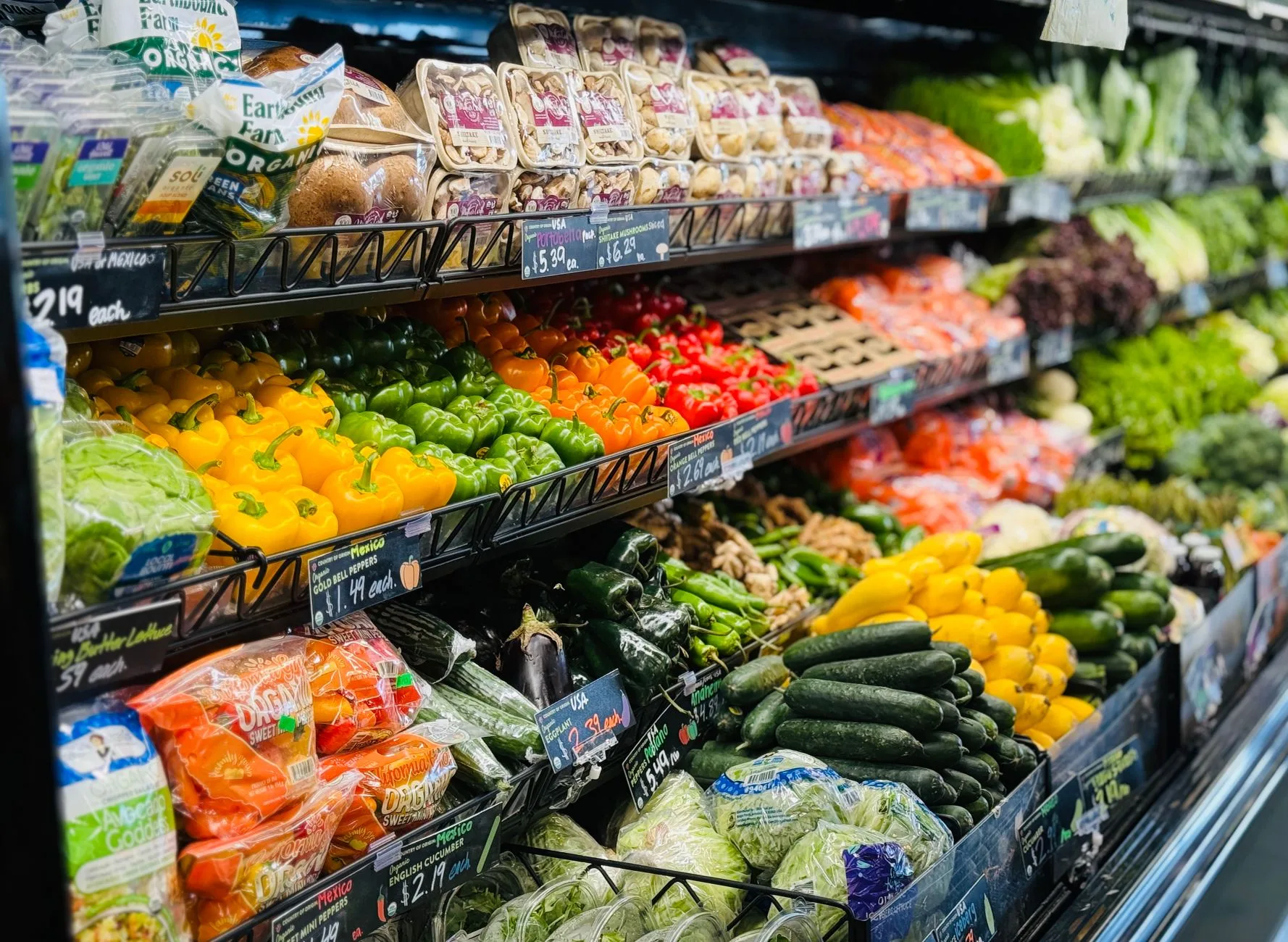
The health side works on the same unglamorous logic. Fruit is visible, colorful, and — her word — delicious, so it competes with the vending machine on the vending machine’s own terms. That’s nudge theory without the vocabulary. Change what’s easiest to reach and you change what gets eaten.
Then she does the math, which is the part most wellness decks skip. “If you choose a healthy snack like fresh fruit over something more sugary and processed just once a day during the workweek, that’s five extra servings of fruit per week and five fewer servings of junk. That adds up to a lot of extra nutrition, which can have a big impact since there are proven connections between eating more fresh produce and better physical and mental health.”
Five swaps a week. Not a transformation — a slightly different default, repeated.
The mistake isn’t the budget. It’s the launch.
Ask Mittelstaedt what companies get wrong and she doesn’t reach for anything strategic. She reaches for the internal comms plan.
“When rolling out anything new, communication is key,” she says. “Fruit consumption might be slow at first if people don’t know that the fruit is there or which day it arrives on, so it’s important to tell your team what’s available and when to take advantage of it.”
Every organization has a version of this problem — the internal launch treated as an announcement rather than a program that needs tending. Her second point is about what happens after week one. “It helps if the person running it is open, listens to feedback, and adjusts their order based on participation.” In practice that means bumping up order size, adding a delivery day when the fruit runs out too fast, or swapping the mix once it’s clear what an office actually reaches for.
The ROI problem, honestly stated
Here’s where Mittelstaedt could have oversold and didn’t.
“ROI is tricky to measure with something like fruit, because it impacts employees in a lot of different ways,” she says. Her recommendation is to measure around it rather than through it: productivity, job satisfaction, sick days, healthcare costs, retention.
She does have numbers. In 2017 The FruitGuys surveyed HR leaders at its own client companies, who reported that job satisfaction rose at 64 percent of them and that performance scores were up by more than 22 percent. Some saw a drop in unscheduled absences and none saw an increase. It’s the company’s own client survey, and she treats it accordingly — as evidence, not proof.
The bigger caveat is patience. “You have to do this over a long period of time — at least 12 months — because it can take a while for changes to show up in the data.” Then the admission underneath it: “We’ve had clients in the past remove fruit from their break rooms because they didn’t think it had an impact, only for their teams to demand it back! ROI is important, but it’s not the whole picture.”
That last story is the return-on-experience argument in miniature. The value was real, it just wasn’t legible until it was gone.
Where a small budget should start
Her advice to a leader with limited room is to start below what they think they can afford, and then not stop.
“You don’t have to go 0 to 60; you can start slow,” she says. Fruit once a month. A quarterly tasting instead of a standing delivery. “Think about one small step you can make that aligns with your office’s culture.”
The warning attached to it is the sharpest thing she says, and it’s pure loss aversion: “Once you add free food into your program, employees will feel the loss if it’s removed. So try to be realistic about what you can provide, and stick with it.”
Which reframes the whole decision. The question isn’t how generous a benefit a company can announce this quarter. It’s what it can still be doing in three years without anyone noticing it’s remarkable.