How many marketing leaders can confidently tell their CEO which specific AI use cases are actually driving revenue right now, and which ones are just running up the bill as experiments?
Agility isn’t just about adapting to new tech like AI. It’s about building the solid data and operational models that let you connect those innovations directly to business growth.
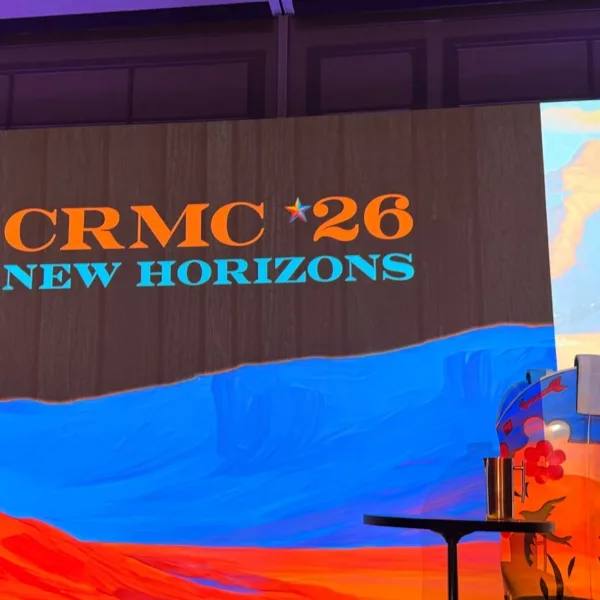
Today, we are here at CRMC 2026 in Frisco Texas, and we’re going to talk about:
- Moving beyond campaign metrics to directly link lifecycle marketing programs to revenue.
Separating the hype from reality to identify where AI is delivering tangible results in marketing right now.
Rethinking your operating model—what to own, what to outsource, and how to build a first-party data foundation that supports it all.
To help me discuss this topic, I’d like to welcome, Matt Kelly, Growth Strategy Partner at Mavlers.
About Matt Kelly
Matt Kelly on LinkedIn: https://www.linkedin.com/in/matthewscottkelly/
Resources
Mavlers: https://www.mavlers.com
This episode is brought to by CRMC. Drive your customers to new horizons at the premier retail event of the year for Retail and Brand marketers. Learn more at CRMC 2027: https://www.thecrmc.com
We’re proud to be a media partner for #MAICON26 – Oct. 13-15! Learn how AI can power your marketing and business and help you grow smarter. Use code AGILE150 to save! https://aglbrnd.co/r/7fe458ced0f04658
Reach your customers with Reddit. Spend $500 in ad spend, get $500 back in ad credit! Learn more: https://advertalize.com/r/491818c79fb1873f
Don’t miss We Make Future – the International Festival of Innovation in AI, Tech, and Digital Marketing, June 24-26 in Bologna. Learn more: https://aglbrnd.co/r/c80991afff416bb2
The most influential minds in software, AI, and engineering leadership will be at WeAreDevelopers World Congress North America, September 23-25 in San Jose. Learn more: https://aglbrnd.co/r/60a7299222a7bcf1
Enjoyed the show? Tell us more at and give us a rating so others can find the show at: https://aglbrnd.co/r/faaed112fc9887f3
Connect with Greg on LinkedIn: https://www.linkedin.com/in/gregkihlstrom
Don’t miss a thing: get the latest episodes, sign up for our newsletter and more: https://aglbrnd.co/r/35ded3ccfb6716ba
Check out The Agile Brand Guide website with articles, insights, and Martechipedia, the wiki for marketing technology: https://www.agilebrandguide.com
The Agile Brand is produced by Missing Link—a Latina-owned strategy-driven, creatively fueled production co-op. From ideation to creation, they craft human connections through intelligent, engaging and informative content. https://www.missinglink.company
Transcript
[00:01:08] Greg Kihlström: Hi, I’m Greg Kihlström, host of The Agile Brand, and here’s a question for you. How many marketing leaders can confidently tell their CEO which specific AI use cases are actually driving revenue right now and which ones are just running up the bill as experiments? Agility isn’t just about adapting to new tech like AI, it’s about building the solid data and operational models that help you connect those innovations directly to the business growth. Today, we’re here at CRMC 2026 in Frisco, Texas, and we’re gonna talk about moving beyond campaign metrics to directly link lifecycle marketing programs to revenue, separating the hype from reality to identify where AI is delivering tangible results in marketing right now, and rethinking your operating model.
[00:02:42] Greg Kihlström: To help me discuss this topic, I’d like to welcome Matt Kelly, growth strategy partner at MAVLRS. Matt, welcome to the show.
[00:02:47] Matt Kelly: Yeah. Thanks, Greg. Um, I’m happy to be recording with you today.
[00:02:51] Greg Kihlström: Yeah, looking forward to this, uh, you know, here in Frisco, Texas at, at CRMC. Uh, how’s the show been for you so far?
[00:02:57] Matt Kelly: You know what? So good. Uh, everyone that I’ve met has, uh, told me how great of a show this is, and, you know, we’re talking about hype versus reality, I thought that might have been hype, but-
[00:03:07] Greg Kihlström: Yeah.
[00:03:07] Matt Kelly: … a couple days here so far, it’s been, it’s been good. So I, I’m, I’m happy to be here. I will definitely be back next year.
[00:03:13] Greg Kihlström: Yeah, same, same here (laughs). Love it, love it.
[00:03:15] Matt Kelly: Yeah.
[00:03:16] Greg Kihlström: So, um, before we dive in, the, as well, uh, why don’t you give a little background on yourself and your role at MAVLRS?
[00:03:21] Matt Kelly: Sure. Sure. So, um, I have been using and, uh, being a customer of large-scale technology, uh, environments, uh, my whole career. I’ve been doing this for about 15 years. Spent a few years at Salesforce, uh, when, uh, DMP was really first, uh, brought to market, data management platform, first-party data being a, a, a part of how, um, we were helping customers really activate all the information they already had. That immediately went into Data Cloud. I saw the launch of Data Cloud. Got into Salesforce Consulting at that point, and really have been, uh, building a career ever since talking about how, um, you know, uh, like, building a data foundation specifically
[00:04:06] Matt Kelly: is the only way that you can lock any of the modern innovations that we see coming to market right now. Um, I think that’s probably what we’ll talk about, a lot about right now.
[00:04:17] Greg Kihlström: Yeah. Yeah. Absolutely. I, I mean, and that’s something I live every day-
[00:04:20] Matt Kelly: Right.
[00:04:21] Greg Kihlström: … is, is, you know, the, the promise of AI can only be realized to your e- exactly what you just said, if you have the right foundation in place.
[00:04:28] Matt Kelly: Yeah, yeah.
[00:04:28] Greg Kihlström: And, and I think that’s a great segue here, is, um, and it’s not just any data. I mean, the, there, there’s a lot of data that needs to be connected, but, um, you know, to, to really enable this advanced personalization, this AI, what are the biggest risks when a company prioritizes something, um, like AI or personalization, but, um, you know, often runs into those, like, first-party data, uh, strategy issues?
[00:04:55] Matt Kelly: Yeah. Uh, I’d, I’d say, o- one of the biggest-
[00:04:59] Greg Kihlström: Yeah.
[00:04:59] Matt Kelly: … risks that I’ve, I’ve come across and I, uh, repeatedly see and hear as I work with brands and I work with agencies, uh, is, is that there, there’s so much capability and innovation that has been brought to the technologies that allow us to use this data. People are building and in, in innovating in ways that they’ve never thought possible before. Here in 2026, AI is absolutely exploding everywhere. I, I’m a big fan of what AI is doing for a lot of these projects that we’re talking about. But the risk is that people are building all of this and getting very excited about what’s possible on top of really bad foundational, um, data processes. They don’t really manage their data well. They don’t know what
[00:05:44] Matt Kelly: data they have. They, they don’t govern it well. And, and the second risk of, of that is that the teams that they bring to those projects are, are very, uh, just behind on upskilling for this, this environment that we’re all in. And so I’d say, um, just, uh, a bad foundation of how they manage their data is the first. The second is lack of…… this, this new skill set that a lot of, uh, marketing professionals need to be developing right now to be able to actually use these amazing tools well.
[00:06:17] Greg Kihlström: Yeah. So I mean, it’s… A- and I’ve, I’ve experienced this as well. It’s… It looks like a… solely a technology problem that, uh, you know-
[00:06:26] Matt Kelly: Yeah.
[00:06:26] Greg Kihlström: … that, that can be solved. But it, it’s, it’s more than that, right? I mean, to your, to your point, it’s about the, the people in the process as well, you know. Where, where does an organization start when it’s everything (laughs), you know, like that?
[00:06:38] Matt Kelly: Ah, yeah. It’s, it’s a, it’s a good one. I… You know, the, the categories that we often, um, diagnose and explore to answer some of the, the… a question like that might be, you know, is it, is it people, is it process, is it the tech?
[00:06:52] Matt Kelly: Right now, I’d say, um, it’s a people and process, uh, focus of where you would wanna begin, right? I, I think part of that is just the sentiment that a lot of people have about AI is mixed.
[00:07:05] Matt Kelly: Right? You have big extremes, you have people that are very, uh, I would call it a, a, a, a buzzword that might come up a lot in, in AI content right now is being AI-pilled.
[00:07:15] Greg Kihlström: Yeah. (laughs)
[00:07:16] Matt Kelly: Uh, there are a lot of AI-pilled people who are, uh, seeing new possibilities like never before.
[00:07:24] Matt Kelly: There are also a lot of professionals, people that have built careers on doing things a certain way, being able to really, like, bring themselves to the market as somebody who’s experienced, knows what they’re doing. Th- there are a lot of people that fall in that bucket that are very anti-AI, extremely anti-AI.
[00:07:41] Greg Kihlström: Yeah, yeah.
[00:07:42] Matt Kelly: Right? And putting those people in a room and asking them to work on a project together can be difficult because it… Right? They, they, they wanna… Some people want to go in one direction and unleash AI in every way that they possibly can. There are people that not only don’t like that, but end up not liking their teammates because that’s how they feel. And so, there’s this, there’s this, um, imbalance of skill sets and sentiment that’s just… It’s causing conflict and, and stalling projects just because the people can’t agree on what to do. And I… And so, um, I, I could keep going, but I’ll, I’ll, I’ll keep-
[00:08:22] Greg Kihlström: No, no, no.
[00:08:22] Matt Kelly: … the answer short. That… I’d, I’d say that’s a great, a great place to start, is, is that what’s happening? Because if you can solve that, I think it gives you a better, a, a better ground, uh, uh, team, a, a ground force to, to just think about these problems better and, and more, um, pleasantly for your team (laughs) if that-
[00:08:41] Greg Kihlström: Yeah, yeah. Well, and then, you know, when the, when the projects do get off the ground or when some of that, some of that foundational work, uh, gets at least started, there is, a- as we’ve all experienced, pressure to prove return on investment for, for all of those things. And-
[00:08:59] Matt Kelly: Yeah.
[00:09:00] Greg Kihlström: … I think while some organizations are still in the experiment-with-AI phase-
[00:09:05] Matt Kelly: Sure.
[00:09:05] Greg Kihlström: … a lot more are… you know, they’re, they’re still doing some of that and… but they’re, they’re already down the path of, “Okay-“
[00:09:12] Matt Kelly: Yeah.
[00:09:12] Greg Kihlström: “… we’re putting a lot of money, a lot of resources into this. What’s our return?” That also comes down to attribution as well. So, you know-
[00:09:19] Matt Kelly: Yeah.
[00:09:19] Greg Kihlström: … how do you help brands shift from, you know, they… the, the… some of those traditional metrics, which, which are still important, to, now how do we measure growth in a more sophisticated way because AI… Isn’t that supposed to enable more sophisticated ROI and, and all those things?
[00:09:38] Matt Kelly: Yeah. Of course, yeah. It’s a g- it’s a, it’s a good question. It’s a hard, it’s a hard problem, um, to get right. I’d, I’d say some of the, the progress that I’ve seen in this, in this effort that you’ve described, that, that’s hard for folks, is-
[00:09:52] Greg Kihlström: Yeah.
[00:09:52] Matt Kelly: … um, wh- when, when teams start to look at that question and answering that question through the eyes of more of a CFO instead of a more traditional marketing analytics, uh, effort, right? They, they’re, they’re used to measuring marketing KPIs that might be KPIs we’re all familiar with: open rates, click-through rates, uh, typical marketing funnel, an experience funnel. Um, but, but if, if they can start to shift that, that vernacular that they’re using and, and what they’re actually, um, measuring and what they’re looking, uh, uh, toward actually improving that are, are more revenue figures, that are more financial, um, um, uh, aspects of how they’re I- influencing
[00:10:38] Matt Kelly: their customers’ behavior-
[00:10:39] Greg Kihlström: Yeah.
[00:10:40] Matt Kelly: … that, that financial language, it, it, it really does make this, this difficult, sometimes vague conversation a lot more real.
[00:10:50] Greg Kihlström: Yeah.
[00:10:51] Matt Kelly: Right?
[00:10:51] Greg Kihlström: Yeah, yeah.
[00:10:51] Matt Kelly: And, and changing customers’ behavior to maybe have a higher lifetime value. Maybe you’re reducing churn, maybe you’re increasing the amount of spend per customer.
[00:11:02] Greg Kihlström: Yeah.
[00:11:02] Matt Kelly: When you’re basing those, those attribution conversations and those efforts and the things you’re measuring in revenue, um, it, it really makes the just… the, the, the conversation a lot more real and easy to have a common goal in the organization that matters.
[00:11:20] Greg Kihlström: Yeah.
[00:11:20] Matt Kelly: Right?
[00:11:20] Greg Kihlström: Yeah.
[00:11:20] Matt Kelly: I mean, uh, you know, we’re, we’re, we’re so used to measuring open rate. It’s, it’s just not a KPI that matters as much as it used to anymore, right? And, and so, um…
[00:11:31] Greg Kihlström: Yeah. It might be directional, but it’s not, it’s not gonna really prove-
[00:11:35] Matt Kelly: No.
[00:11:35] Greg Kihlström: … the model or… Yeah.
[00:11:36] Matt Kelly: So, uh, you know-
[00:11:36] Greg Kihlström: Yeah.
[00:11:37] Matt Kelly: … you can have a 100% open rate and make $0.
[00:11:40] Greg Kihlström: (laughs) Right, right.
[00:11:41] Matt Kelly: Right? And, and-that still may be good-
[00:11:44] Greg Kihlström: Yeah, yeah.
[00:11:44] Matt Kelly: … but, you know, are you foc- h- how hard is it to measure your open rate compared to what it’s bringing back for you-
[00:11:52] Matt Kelly: … which you, you have to answer that in dollars.
[00:11:56] Greg Kihlström: And, and where, where are you seeing the biggest types of, of lift in, you know, through AI adoption and, and things like that?
[00:12:04] Matt Kelly: Yeah. That’s a g-… You know, I th- I think there are, are a lot of different categories. I don’t wanna give you too, too…… varied of an answer here. I think I could list off a, a few.
[00:12:14] Greg Kihlström: Sure, sure.
[00:12:15] Matt Kelly: But I’d say velocity of just, of, of, like, getting work done.
[00:12:21] Matt Kelly: Iterating on that work in a way that is previously unscalable. You could not iterate fast enough-
[00:12:29] Greg Kihlström: Yeah.
[00:12:30] Matt Kelly: … uh, for all of the different variations and audiences and microsegments that you need to personalize content for. For, for instance, let’s say, let’s say the effort is around content generation, making sure that the copy, the, the graphics, the design of the digital experiences that you’re bringing, um, match the audience who’s, who’s actually viewing it.
[00:12:49] Greg Kihlström: Yeah. Yeah.
[00:12:50] Matt Kelly: Today, with AI, you know, the, the speed to which that you’re able to, um, just try so many things and, and really do that in a way that delivers relevancy for the people who are experiencing those things that you’re iterating, um, that it’s just, it’s, it’s, it’s faster than people are, are able to handle right now.
[00:13:13] Greg Kihlström: Yeah, yeah.
[00:13:14] Matt Kelly: I think that’s a big plus, right?
[00:13:15] Greg Kihlström: Yeah.
[00:13:15] Matt Kelly: And it’s something that I, I, I try to focus on. I’d say the opposite of the question that you asked, one of the, the, you know, areas where I see a slowdown, waste, a, you know, a problem that’s coming up is when people go to visualize some of these things that we’re talking about, let’s say it’s a form of a dashboard, it’s a chart, it’s a, it’s a, a, you know, command center of some sort that people are watching and they’re looking at, there’s a lot of hallucination in, in analytics.
[00:13:46] Matt Kelly: Where, uh, you know, those reports and those dashboards may look very good and they may show progress that everyone can get excited about and, and they… Someone asks the question, “How do we know that that’s real?”
[00:14:00] Matt Kelly: “How do we know that that’s not just our AI analytics tool that built this dashboard for us?”
[00:14:06] Greg Kihlström: Right.
[00:14:06] Matt Kelly: “How do we know that it’s real?” And so they have to-
[00:14:08] Greg Kihlström: It’s a fan of its work.
[00:14:08] Matt Kelly: They have to slow down, they have to go back, they have to redo all of that work just to verify.
[00:14:15] Matt Kelly: And, uh, especially if they find that it’s not, it doesn’t match, there’s, you know, that, that creates this, uh, forensic, uh, effort, right, to validate something that is inherently just, you know, it’s going to be wrong. And so-
[00:14:30] Greg Kihlström: Yeah.
[00:14:30] Matt Kelly: … you know, going through that, that experience, it, it, it, it often leads people back to where we started this conversation, which is they, they realize they have a bad foundation. They’re managing their own data poorly.
[00:16:22] Greg Kihlström: I wanna go back to your point about how things have been able to be accelerated and, and considerably in, in some cases. And so, you know, with those, you know, compressing timelines, the, you know, the build versus buy versus partner decision is becoming more complex, right? So, you know, how, how do you advise leaders to think about what capabilities should remain in-house versus what makes sense to manage through a partner?
[00:16:50] Matt Kelly: Yeah, it’s, it’s, uh, it’s a good one. I, I, I’d say brands should always lean on and, and, and attempt as, as well as they can to own their customer strategy, how they’re engaging with their customers, the, the, the, the choices and the judgment of how they deliver experiences and, and really build and maintain a relationship with their customers. I- uh, just very much a in-house, let’s, let’s own this part of what we do. Um, but one of the things that I mentioned earlier is this need to upscale. And partnering with, uh, uh, a group, an organization or, or, or a technology, sometimes they could be an AI tool-
[00:17:34] Greg Kihlström: Yeah.
[00:17:34] Matt Kelly: … that you partner with that’s focused on helping your team get better, helping your team learn things, helping your team develop those skills that they need to be better.
[00:17:44] Matt Kelly: Um, I’d say that, that would be, uh, sort of the difference between what I would see as a in-house thing that you wanna always make sure that you have and you own versus where, where can we lean on someone else, a partner, whether that’s a human or an agent, uh, uh, an agentic, uh, partner.
[00:18:02] Matt Kelly: It’s, it’s, it’s the knowledge transfer that I think is, um, where, where people can sort of find value in a partner.
[00:18:11] Greg Kihlström: Yeah, yeah. Well, and as the…Brand-agency relationship is- evolves, uh, as, you know, as we’ve kind of been talking about here. What does, what does, um, modern collaboration look like, you know, when we’re ta-
[00:18:25] Greg Kihlström: … you know, when there’s also agents in the mix? And, you know, collaboration isn’t even always human to human. Um, you know, is it, is it less about outsourcing execution and more embedding strategic guidance because-
[00:18:38] Greg Kihlström: … there’s AIs working, you know?
[00:18:40] Matt Kelly: Yeah. It’s, it’s a, it’s a really good question. I, I’d say, you know, the, the traditional agency relationship, it, it’s just, it’s just no longer about the, like, teams taking work off of your plate.
[00:18:56] Greg Kihlström: Yeah.
[00:18:57] Matt Kelly: Right? I, I think that there are a lot of scenarios where, “Let’s just give this to the agency and let them run with it.” I think that that’s been a, a valuable relationship for a long time. I, I don’t, I don’t wanna make it seem like that’s not somewhere, somehow still a big thing. I, I would say a modern brand-agency relationship that I feel is, is worth investing in and thinking about and looking for is an agency that is making your own team better, right? That, you, you know, it’s not just an investment in good ideas, good people, good skills, good, you know, execution. That’s, that’s obviously a big part of it, but how is this relationship, this, this agency partner that we brought in reinvesting in us? How are they making us better
[00:19:42] Matt Kelly: and smarter and more capable to bring that judgment and, you know, owning that customer, um, um, y- you know, strategy o- on, on our own terms, um, because we are better now th- that this agency is here?
[00:19:58] Greg Kihlström: Yeah. Well, and, and to me, that, that sounds like augmentation, which is also … I mean, so regardless of its sort. You know, if it’s, if it’s AI or agentic that the agency is bringing to the table, or if it’s people that they’re bring- it’s, it’s augmenting those internal teams to-
[00:20:14] Matt Kelly: Yeah.
[00:20:15] Greg Kihlström: … you know, as opposed to what you were saying earlier, which is, and I, you know, I used to own an agency. You know, we were, you know, we got, stuff got offloaded onto us, and it was, it was a, you know, it was, um, appreciated when we did that because they didn’t have to think about it. But it sounds like it’s more moving into this augmentation of those core teams.
[00:20:34] Matt Kelly: Yeah. I, you know, it’s, it’s like, uh, I, I, I know ex- you know, when, when you’re sharing that. I, I, I’ve, I’ve been there. I kn- I know, you know.
[00:20:42] Greg Kihlström: (laughs)
[00:20:42] Matt Kelly: I, I, I’ve, uh, experienced that too. I, I’d say that another way that I would put it, um, just, just for the conversation is that, like, the deliverables that might be new that brands aren’t necessarily adding into the scope or the expectations of their agency, the, the, the new deliverable, if you will, that I think a lot of people should think about and, and find value in and seek value in, is knowledge transfer.
[00:21:10] Matt Kelly: Right? It’s like, you know, how can this engagement with this agency give our team knowledge we didn’t have before that we can build upon together?
[00:21:21] Matt Kelly: And, uh, it’s, I think that’s a really cool way to think about it.
[00:21:23] Greg Kihlström: Yeah, yeah, agreed. A- and I think it’s more, it’s more valuable in the, you know, it … I don’t know. Maybe to go, go down that tangent just for another minute here, you know-
[00:21:33] Matt Kelly: Sure.
[00:21:33] Greg Kihlström: … I, I always, I didn’t feel as good about the work that was simply just kinda tactical execution, and hey, yeah, it’s saving somebody some time there, but I always felt really good about, hey, you know, the strategic stuff, or, hey, we’re helping actually move the needle on this company’s core objectives. And so, I think I, I love the scenario where more or most of it could be that, right?
[00:22:00] Matt Kelly: Yeah, I agree, wholeheartedly. (laughs)
[00:22:03] Greg Kihlström: Nice. So, um, looking back over the last couple years, what’s been the most, uh, significant shift that you’ve seen in the priority of your enterprise clients when it comes to their overall marketing and CX strategies?
[00:22:16] Matt Kelly: Yeah. Well, um, I mean, just taking a lot of the examples from this show. At, at CRMC, one of the things that I’m hearing over and over and over again is, uh, retention and-
[00:22:27] Greg Kihlström: Yeah.
[00:22:27] Matt Kelly: … a lot of conversations about churn and how, um, approaching, you know, that, that customer relationship, investing in it … I mean, obviously, there’s a, there’s a loyalty theme here that’s, that’s obvious-
[00:22:39] Greg Kihlström: Right. (laughs) Right.
[00:22:40] Matt Kelly: … uh, just given the show. But, um, really making sure that brands are relevant to their customers, they make sure that their customers do feel the relationship that they’re putting so, the brands are putting so much effort into, like, like, bringing to market and, and, and … I, I mean, I don’t wanna say monetize, but like, it’s, it’s kind of what it is.
[00:23:04] Matt Kelly: There’s a relationship there that has to also serve the customer, and that, that’s, that’s something that is coming up a lot, that it, it’s less about acquisition and growth at all costs, like, burn the boats, let’s get as many customers as we can.
[00:23:20] Matt Kelly: Not that that’s a bad thing. I respect that. I totally get it. I’ve been a sales guy for a long time. But the, the shift is really thinking, “Okay, we’ve got a great customer base. How can we serve them well? How can we make sure that they know that we appreciate them, and how can we, how can we do that in a way that’s memorable for them and, and, and retain that relationship as long as we can?”
[00:23:45] Greg Kihlström: Yeah. Well, and I think when you have better tools to understand your customers and better ways to scale things that, again, humans could not have possibly scaled at the, at the-
[00:23:55] Greg Kihlström: … in the ways that they can, then, you know, you can look at customer lifetime value and loyalty in a, in a much more valuable and, and different way as well, as opposed to that continual. Yeah. And I, I know the, you know, we gotta, we gotta acquire things at all, at all costs.
[00:24:10] Greg Kihlström: But some- sometimes it feels like maybe there is a cost to only, you know, looking at acquisition, so yeah. I, again, I think it’s a positive trend, right? (laughs)
[00:24:20] Matt Kelly: I, I, I, I do too. I, it’s, uh-It’s, it’s also cool to just be a consumer and, and see that, that show up, right?
[00:24:27] Greg Kihlström: Yeah. Yeah.
[00:24:27] Matt Kelly: In the, in the market and, um, yeah, I just, I think that that’s a, a, a shift that, um, I hope continues.
[00:24:35] Greg Kihlström: Yeah. Yeah. Love it. Well, Matt, thanks so much for joining today. I got two last questions for you as we wrap up.
[00:24:40] Greg Kihlström: Uh, first, uh, so we’re here in Frisco, Texas at CRMC. What’s been a highlight so far?
[00:24:50] Matt Kelly: I might, I might have one or two. So, um, we saw a presentation about an agentic marketing platform use case, uh, for a brand called Fullspan Health, um, really cool case study example of how a team, um, really brought to life these, these ideas and these, these campaigns that they wanted to get out the door and these, these experiences that they wanted to personalize. And, uh, one of the things that they said, which I, which I thought was, was really interesting is that using this agentic marketing platform that they, they were showing and, and, and speaking about has not taken work off their plate. It’s actually made their entire team more ambitious.
[00:25:32] Matt Kelly: And that ambition is showing up in a lot more ideas, a lot more things to try. People are empowered more than ever before because they’re able to accomplish things that took a lot more effort and a lot more investment and a lot more resources and time, um, that it’s just, it’s just not that costly anymore to innovate and, and, and change and try things, um, that, uh, that their team is, is hoping to try. And so that was, that was really cool to hear because it’s, it’s really a, a great example of something working, building the right foundation. They, they, they’ve done the work to address the people and process and, and just the, the, the data thing. And they’re letting the technology that, that is, is, is really, um,
[00:26:19] Matt Kelly: driving so much of the work that they’re doing shine, and it’s, uh, it was cool to see. I’d say the other one is, um, some of the keynote, uh, uh, conversations. We had one today, um, uh, from a, a group called Outthinker, and they talked about this, this idea of proximity, specifically, uh, uh, like, relating to how closely they can create whatever the product or service is for the customer at the time that the customer needs it.
[00:26:47] Matt Kelly: Right? It was so interesting that… some of the examples that they gave. Uh, i- uh, if you haven’t seen it, please go, go check out-
[00:26:53] Greg Kihlström: Yeah. Yeah. I, I had Kayhan on the show actually-
[00:26:56] Greg Kihlström: … before, before. I got, I got a sneak peek of, of his-
[00:26:58] Greg Kihlström: … keynote, but saw it this morning as well.
[00:27:00] Matt Kelly: Awesome. Kayhan, great, great job if you’re watching this. I, I got your book.
[00:27:03] Greg Kihlström: (laughs)
[00:27:03] Matt Kelly: Maybe you’ll sign it for me later. (laughs)
[00:27:05] Matt Kelly: Anyway, tha- those were, those were really cool. I- it got me thinking and, and, uh, my wheels are turning, so.
[00:27:10] Greg Kihlström: Love it. Love it. Well, and last question for you, uh, what do you do to stay agile in your role and how do you find a way to do it consistently?
[00:27:17] Matt Kelly: Uh, you know what? I’ve, uh, it’s a gr- it’s a good question. How do I stay agile? I see the relevance for, for the audience that you have here. I, I’d say what I do is I seek out lessons as my win versus wins as my goal, right? And, and what I mean by that is, um, I gu- I guess what I’m saying is I’m not afraid to fail and I fail often, and I almost start out knowing that I’m going to fail at something. Specifically, I, I mean experimenting with all these new things that are at our fingertips, right? I mean, uh, just, just there’s so much that you have to get your hands on directly that you cannot read about and, and learn about until you do it, right? And so a bias for action with the goal being a lesson is how I stay agile, right? It doesn’t matter if it doesn’t work because I learned something, and that’s how I stay agile.