
Guide to: Artificial Intelligence (AI)
The latest articles, wikis, podcasts, books, and more about AI
Let’s face it: AI is here to stay, and marketers that want to stay ahead need to keep up with the latest and greatest. The purpose of this page is to compile all our latest content on this important topic. As starting points, here are a few places to go:
- Martechipedia Wiki: Artificial Intelligence
- Expert Mode articles featuring interviews with leading experts
- Our award-winning shows including The Agile Brand with Greg Kihlström®
Featured Article
More Books About Artificial Intelligence
“We’re investing in AI.” It’s on the slide, everyone nods, and five people in the room just pictured five different machines: a chatbot, a forecasting…
How Real Marketers Turn Algorithms into Actual Outcomes Stop treating AI like a magic lamp; start making it earn its seat at the budget table.…
In today’s dynamic marketing landscape, artificial intelligence (AI) stands at the forefront of innovation, offering unprecedented opportunities for marketers. This book enables marketing professionals to…
House of the Customer by Greg Kihlström
Podcast Episodes About Artificial Intelligence
From the Martechipedia Wiki
-
Retrieval Augmented Generation (RAG)
Retrieval Augmented Generation (RAG), is an AI-based approach that combines the strengths of information retrieval systems with those of AI language models to produce more relevant, reliable, and context-aware information.
-
Reverse Logistics
Reverse logistics in the context of e-commerce refers to the process of managing the return, replacement, repair, recycling, or disposal of products after they have been delivered to customers. Unlike traditional logistics, which focuses on the forward movement of goods from seller to buyer, reverse logistics handles the movement of goods from the customer back…
-
Robotic Process Automation (RPA)
Robotic process automation (RPA) is a technology that uses software robots to automate repetitive, rules-based tasks. These tasks could be anything from data entry and customer support to report generation and invoice processing.
-
Salesforce Marketing Cloud
Salesforce Marketing Cloud is a comprehensive digital marketing platform designed to help businesses create and manage personalized, one-to-one customer journeys across all channels. Its primary differentiator is its deep, native integration with the broader Salesforce Customer 360 ecosystem, providing a unified view of the customer by connecting marketing activities directly with data from sales, customer…
-
Sam Dorison
Sam Dorison is the Cofounder and Chief Executive Officer at ReflexAI. An expert in artificial intelligence strategy and product deployment, Dorison has been involved with AI-powered products in industries ranging from mental health to cybersecurity to smart cities.
-
Search Engine Optimization (SEO)
Search Engine Optimization (SEO) is a marketing technique that helps boost website traffic organically. SEO focuses on improving the quality and quantity of website traffic by increasing the visibility of your website on search engine result pages (SERPs).
Summary
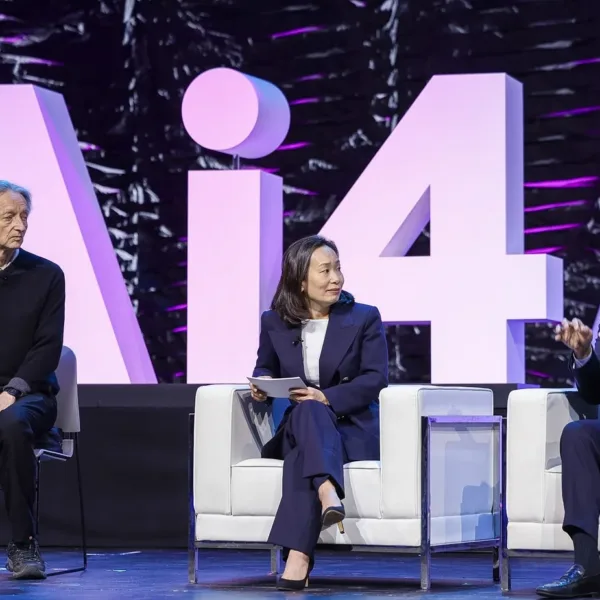
Artificial intelligence is not just a buzzword, but a technology that is already transforming the marketing industry. From personalization to automation, AI is changing the way marketers work and interact with customers. While there are downsides to the technology, such as privacy concerns and job losses, the potential benefits are too great to ignore. In the coming years, we can expect to see even more innovative uses of AI in marketing.