
Guide to: Artificial Intelligence (AI)
The latest articles, wikis, podcasts, books, and more about AI
Let’s face it: AI is here to stay, and marketers that want to stay ahead need to keep up with the latest and greatest. The purpose of this page is to compile all our latest content on this important topic. As starting points, here are a few places to go:
- Martechipedia Wiki: Artificial Intelligence
- Expert Mode articles featuring interviews with leading experts
- Our award-winning shows including The Agile Brand with Greg Kihlström®


Featured Article
More Books About Artificial Intelligence
“We’re investing in AI.” It’s on the slide, everyone nods, and five people in the room just pictured five different machines: a chatbot, a forecasting…
How Real Marketers Turn Algorithms into Actual Outcomes Stop treating AI like a magic lamp; start making it earn its seat at the budget table.…
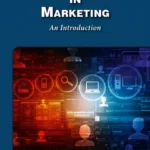
In today’s dynamic marketing landscape, artificial intelligence (AI) stands at the forefront of innovation, offering unprecedented opportunities for marketers. This book enables marketing professionals to…
House of the Customer by Greg Kihlström
Podcast Episodes About Artificial Intelligence

From the Martechipedia Wiki
-
Highest Paid Person’s Opinion (HIPPO)
HIPPO stands for “highest paid person’s opinion.” Relying solely on the opinions and ideas of the highest-ranking person, or HIPPO, can be risky. While they may have years of experience and expertise, they may also be biased or disconnected from the reality on the ground.
-
History of E-Commerce
A brief history of E-commerce, from the early pre-internet foundations in the 1960s to the agentic commerce of today.
-
Ideal Customer Profile (ICP)
An Ideal Customer Profile (ICP) is a detailed and comprehensive description of the characteristics and behaviors of your ideal customer or target market.
-
Interactive Voice Response (IVR)
Interactive Voice Response (IVR) is an automated telephony system that interacts with callers through pre-recorded voice prompts, touch-tone keypad selections, and speech recognition. IVR systems allow businesses to handle incoming calls efficiently by routing callers to the appropriate department or providing self-service options without requiring human intervention. IVR is commonly used in customer service, banking,…
-
Internet of Things (IoT)
The Internet of Things (IoT) refers to a network of physical objects—often called “things”—that are embedded with sensors, software, and other technologies to connect and exchange data with other devices and systems over the internet. These “things” can include a wide variety of devices, ranging from everyday consumer products like smart thermostats and wearable fitness…
-
Logic (Dimensions of Personalized Experiences)
Logic is defined in House of the Customer (2023) as containing five dimensions that make up the creation and delivery of personalized experience.

Summary
Artificial intelligence is not just a buzzword, but a technology that is already transforming the marketing industry. From personalization to automation, AI is changing the way marketers work and interact with customers. While there are downsides to the technology, such as privacy concerns and job losses, the potential benefits are too great to ignore. In the coming years, we can expect to see even more innovative uses of AI in marketing.