
Guide to: Artificial Intelligence (AI)
The latest articles, wikis, podcasts, books, and more about AI
Let’s face it: AI is here to stay, and marketers that want to stay ahead need to keep up with the latest and greatest. The purpose of this page is to compile all our latest content on this important topic. As starting points, here are a few places to go:
- Martechipedia Wiki: Artificial Intelligence
- Expert Mode articles featuring interviews with leading experts
- Our award-winning shows including The Agile Brand with Greg Kihlström®

Featured Article
More Books About Artificial Intelligence
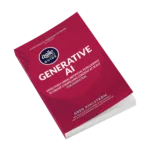
While there is a lot of conversation around artificial intelligence (AI) and its potential applications in marketing and customer experience, there are still more question…

Foreword by Simonetta Turek, Chief Product Officer at Medallia The stakes have never been higher for enterprise organizations to take decisive action. Yet, to prioritize…
House of the Customer by Greg Kihlström
Podcast Episodes About Artificial Intelligence




From the Martechipedia Wiki
-
Direct-to-Consumer (DTC)
Direct-to-Consumer (DTC) approach. By definition, DTC refers to the process of selling products directly to consumers, bypassing traditional intermediaries like wholesalers, distributors, and retailers. Compared to brands that use traditional distribution channels, DTC brands interact directly with their consumers.
-
Edge AI
Edge AI is the deployment and execution of artificial intelligence models on or near the device where data is generated, rather than sending all data to a centralized cloud for processing. In practice, that means running inference on endpoints such as smartphones, cameras, sensors, vehicles, gateways, industrial machines, or local edge servers.
-
Environmental implications of AI usage
The environmental implications of AI usage are the effects that developing, training, deploying, and using AI systems have on electricity demand, greenhouse gas emissions, water consumption, material extraction, and electronic waste. These impacts come both from the computing required to run AI models and from the physical infrastructure behind them, including data centers, networking equipment,…
-
Fairness, Accountability, and Transparency (FAT)
Fairness, Accountability, and Transparency (FAT)—often referred to collectively as FAT principles—are foundational ethical guidelines in the development, deployment, and governance of algorithmic systems and artificial intelligence (AI). The goal of FAT is to ensure that technologies are designed and operated in a way that respects human rights, prevents harm, and promotes trust.
-
Features, Advantages, Benefits (FAB)
FAB stands for Features, Areas, Benefits. It’s a simple, yet powerful, framework that helps marketers communicate the benefits of a product in a way that is easy for customers to understand.
-
Five9
Five9 is an intelligent cloud contact center platform that helps businesses manage and optimize their customer interactions across various channels, including voice, email, chat, social media, and more. Its key differentiators include a strong emphasis on practical AI and automation to enhance agent productivity and customer experience, as well as its established position as a…




Summary
Artificial intelligence is not just a buzzword, but a technology that is already transforming the marketing industry. From personalization to automation, AI is changing the way marketers work and interact with customers. While there are downsides to the technology, such as privacy concerns and job losses, the potential benefits are too great to ignore. In the coming years, we can expect to see even more innovative uses of AI in marketing.